It is the first question every buyer asks, and the answer that gets mangled most often. A Thai agent will tell you it is simple. A forum will tell you it is impossible. Both are wrong in a way that costs money.
Here is the actual position. A foreign individual cannot hold freehold title to land in Thailand in their own name, other than through a small number of exceptional routes that are not realistic for a normal investor. What a foreigner can do is own a building, hold a registered lease, own a condominium unit outright, or control a Thai company that owns land. Four routes. They are not equivalent, and the one most commonly sold to newcomers is the one most likely to fail.
1. The condominium quota
The cleanest route, and the only one where a foreigner holds freehold in their own name. Under the Condominium Act, foreigners may collectively own up to 49% of the total saleable floor area of a registered condominium building. Buy within that quota and the unit is yours, registered at the Land Office in your name, sellable and inheritable like any other asset.
The conditions matter. The purchase funds must be remitted into Thailand from abroad in foreign currency and converted to Thai baht, and the receiving bank issues the certificate (commonly called the FET or Foreign Exchange Transaction form) that the Land Office requires for transfer into a foreign name. Get the transfer wording wrong at your bank and the certificate is refused, which stalls the registration.
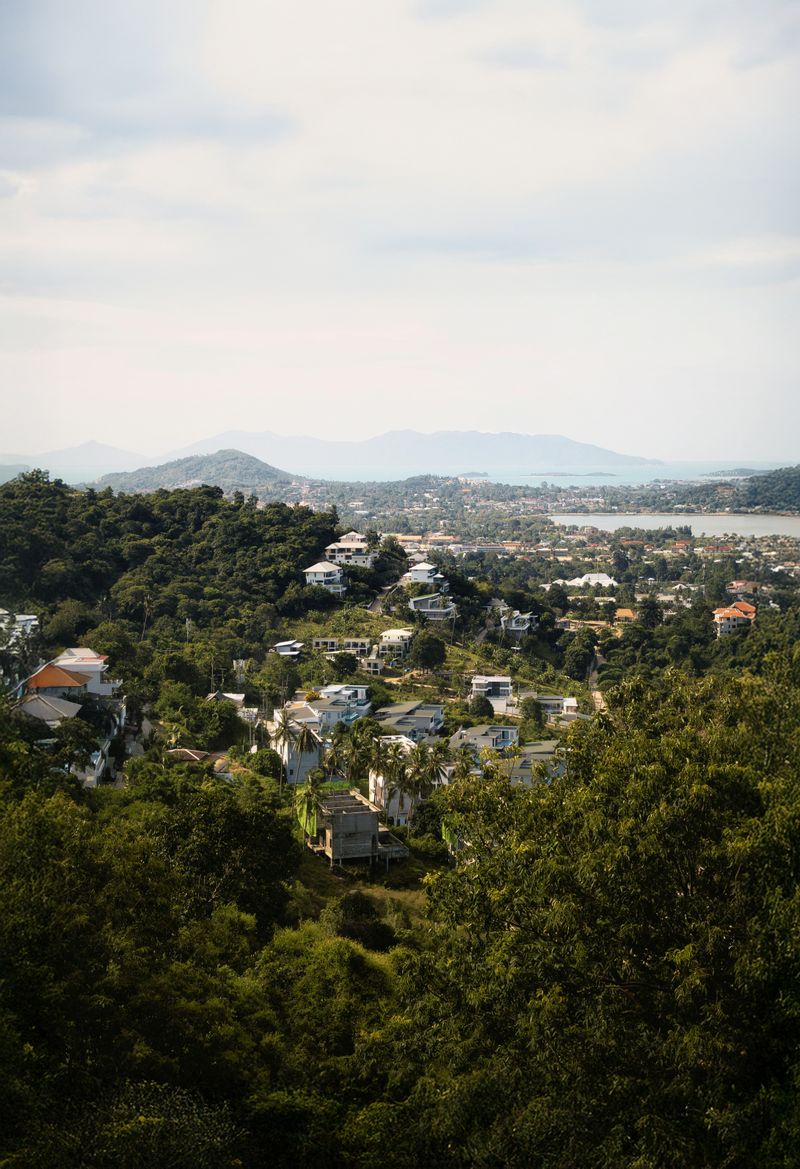
The limitation is obvious: there are very few true condominiums in Koh Samui, and almost none with sea views on the land you would actually want. In Bangkok this route covers most of the market. On the island it covers very little of it.
2. The registered lease
A lease of land or a house registered at the Land Office gives the foreign tenant a real, registered right for the lease term. Thai law caps a registered residential lease at 30 years. Renewal clauses beyond that are common in contracts and routinely promised by sellers, but a promise of renewal is a contractual obligation on the current owner, not a registered right that automatically binds a future owner. Treat any "30 + 30 + 30" pitch as one registered term plus two promises, and price it accordingly.
Done properly, a lease is transparent and defensible. It is often combined with separate ownership of the building, which is where the next route comes in.
3. Owning the building, leasing the land
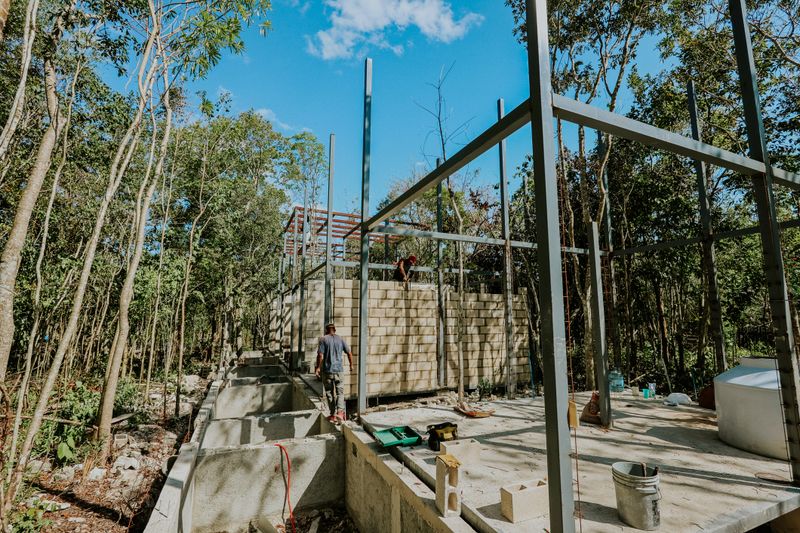
Thai law treats a building as an asset separable from the land beneath it. A foreigner can own a house outright, registered in their name, while holding the land under a long lease or a usufruct or superficies right. In practice this means: you lease the plot, you obtain the construction permit in your name, you build, and the house is registered as yours.
This is a genuinely underused structure for people building rather than buying. It puts the asset you paid to create into your own name, and it makes the land arrangement explicit instead of hiding it inside a company.
4. The Thai limited company
A Thai company may own land. A foreigner may hold up to 49% of the shares and can, with properly drafted articles and share classes, hold effective control of the company's decisions. This is a legitimate and widely used structure — when the company is real.
The version that is not legitimate is the nominee company: Thai shareholders who paid nothing, hold nothing and exist only to satisfy the 51%. That arrangement is prohibited under the Foreign Business Act, it is the structure Thai authorities have periodically examined, and it is the one most often described to buyers as "how everybody does it here". A company that files no accounts, has no activity and whose Thai shareholders cannot show the source of their investment is a liability attached to your asset.
The question to ask is not "is a company allowed?" It is "would this company survive someone looking at it closely in five years?"
A real structure has Thai shareholders who genuinely contributed capital, documented sources of funds, filed annual accounts, and a business purpose. It costs more to set up and more to maintain. It is also the only version worth having.
What this means in practice
- Buying a condo in Bangkok? Foreign quota, remit funds correctly, done.
- Buying a completed villa in Samui? Usually a lease of the land plus ownership of the house, or a company purchase. Which one depends on the seller's existing structure — and inheriting a bad structure is a real risk.
- Building your own villa? Long lease plus building ownership in your name is often the cleanest. Model the exit before you start.
- Developing to sell? You are running a business, and a properly constituted company is normally the right vehicle. Speak to a lawyer before the land, not after.
One rule underpins all four: whatever structure you use, it must still make sense the day you want to sell. A buyer's lawyer will examine it exactly as carefully as your lawyer should have.
General information, not advice. Thai property law is applied case by case and changes over time. Nothing here replaces an opinion from a licensed Thai lawyer on your specific plot, structure and circumstances. Figures are indicative ranges observed in the market, not quotations.